

A café owner in Brighton handed out 100 paper business cards at a market. Two weeks later she realised none of them still had the correct phone number printed. She lost leads because cards went out of date. Many people tell stories like that often. People change phone lines. Businesses move. Branding shifts. And paper cards are stuck once they are printed. That is why NFC business cards for local businesses are gaining in popularity.
Why should you get NFC business cards for your local business
- Local businesses meet people in person a lot: at markets, fairs, shops, trade shows. First impressions matter. A modern card can feel more trustworthy.
- Costs can add up: traditional printing, frequent reprints, printing delays. Paper business cards cost about $1.50‑2.50 or £1.30-1.50 each, including design and shipping.
- The hidden environmental costs of using paper business cards adds up.
What are NFC business cards for local businesses
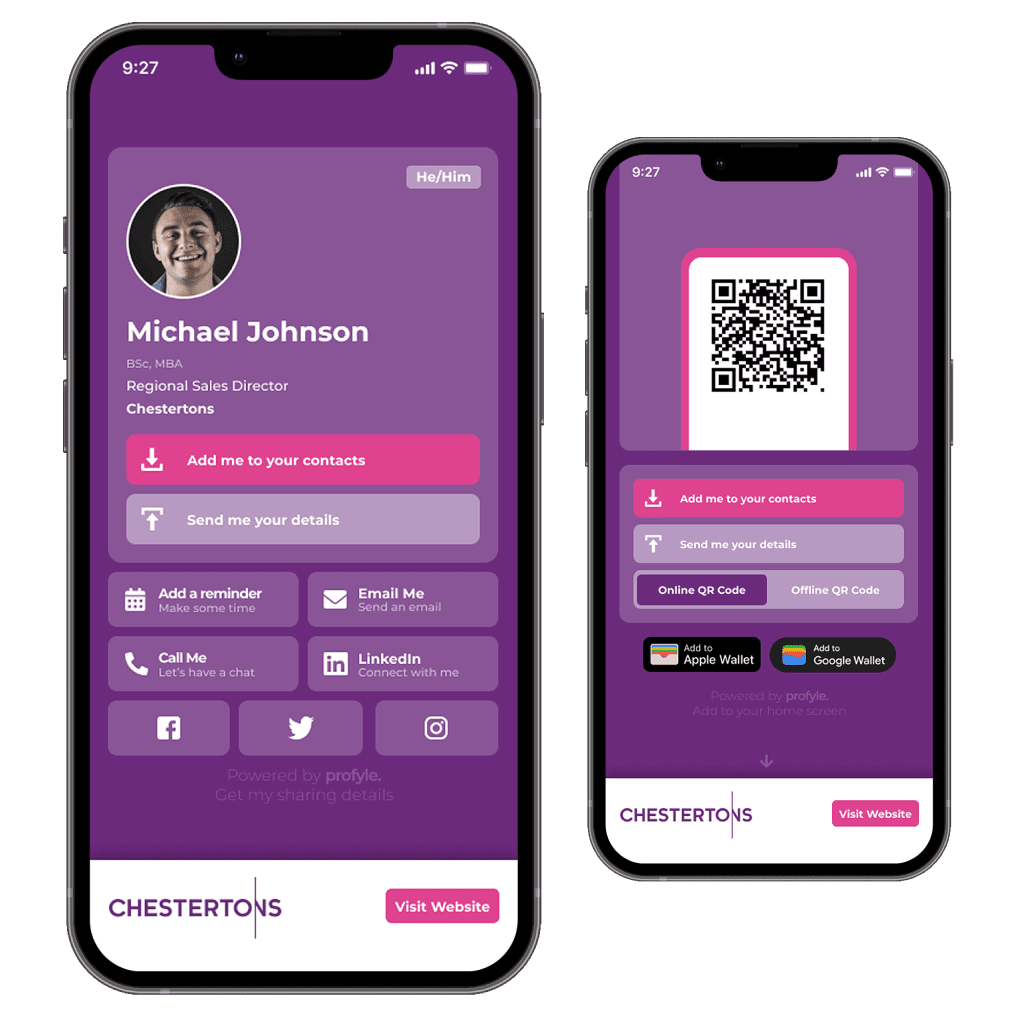
- A card with a tiny chip inside (NFC = Near Field Communication) lets someone tap their phone to get your info.
- It mixes physical feel with digital power. You still carry a card, but you can update its content, link to video, show gallery, whatever you like.
This article will show why NFC business cards are more than a fancy gadget for local businesses like yours. They solve real problems.

Why Paper Cards Break Down for Local Shops
A Nottingham handyman taped his paper business card to every local noticeboard he could find. Three months later, a local mum finally called. She said, “It’s faded. I had to guess the last digit.”
When people struggle just to reach you, the card has failed.
Problems with paper business cards
- Outdated details
If you move, change your phone number, or update your business name, old cards become wrong. Reprinting takes time and costs money. Research shows outdated contact info is a big cause of wasted print. - Hidden costs add up
The per‑card price may look low. But costs of design, printing, shipping, and frequent updates add up. For example, paper cards cost around US$0.04 each when ordering large numbers (1,000 cards) but still need reprinting if details change. - Environmental damage
Paper production uses trees, water, and energy. Many cards are thrown away soon after they are handed out. The waste builds up. Local businesses often care about their community; waste feels wrong. - Physical damage and loss
Cards get smudged, bent, lost in wallets or pockets. Someone might toss them in a drawer. Then your phone number sits on paper nobody uses. Local business owners say this erodes trust. A card that looks old or ruined can feel unprofessional. - Limited interactivity
Paper cards give name, phone, maybe email and address. You cannot share portfolio, video, reviews, or show recent work. If someone wants to connect online, paper cards are less helpful.
Why this matters more for local businesses
- Local shops often rely on word‑of‑mouth, foot traffic and repeat customers. If contact information is wrong, someone can’t call you back.
- Every cost matters. A small shop has a tighter budget than big firms. Reprint costs, wasted stock, lost leads cut into small business margins.
- Local reputation counts. A worn business card that smudges makes small businesses look sloppy. That frays trust in the neighborhood.
If you want to stop losing leads and pay less over time, try a better option today. Sign up for a Profyle Card account for free here.

What NFC Cards Add Beyond Just Tap and Go
A coffee shop in Manchester tried NFC business cards at a local festival. They handed out 50 cards. After three days the owner saw that 17 people had tapped the card but only 4 kept the physical paper versions. The taps told her more than the papers ever did.
That moment shows what digital power adds for local businesses.
What extra things NFC business cards bring
Here are things local shops get when they use NFC business cards for local businesses rather than just paper:
- Live updates and fix‑ups
You can change your phone number, add a new service, update logo, change address without reprinting. Paper cannot do this. This saves cost and avoids giving wrong info. - Analytics and feedback
When someone taps, you can often see how many taps you got. You might see where and when people tapped. That helps you learn which places or events bring in more interest. Bitly reports that digital business card analytics show who clicked, where, and which links inside your card people use most.
Local business can use this to spend time where people care most. - Dual method sharing
Some cards support QR codes as backup, for phones that cannot or do not have NFC turned on. That means no one is left out. - Eco benefit over time
As you change details, you do not throw old cards away. You waste less paper. Fewer trees cut, less ink, less waste. Data shows NFC digital business cards cut down paper waste and reprinting costs. - Better trust and image
A neat NFC card feels modern and tidy. When your card works cleanly with a tap many people feel impressed. Local businesses who use NFC business cards often say they get more compliments than they expected.
Challenges and what to watch out for
NFC business cards bring good things but they have bumps. Local shops need to know these to pick well.
- Device compatibility
Not all phones support NFC or have it turned on. Some older phones, cheaper phones, or disabled settings prevent the tap from working. That means sometimes your card fails to share. Having QR fallback helps. - Security and privacy risks
If someone taps your NFC card it often just gives them a URL or contact info. But careless setup or cheap chips might let attackers redirect people or expose info. Research shows some NFC business card products lack encryption or use unsafe methods. - Cost and upfront investment
Physical NFC cards cost more than plain paper. For local businesses with many staff or repeated use this matters. Also if you lose the card or it gets damaged you need a replacement. - Remote sharing limitations
If someone wants your card over email or chat, a physical NFC card is less useful. You might need to type your details or send an image. Digital or virtual sharing helps but not all NFC cards make that seamless.
What Profyle Offers: Features That Local Businesses Will Use
Here are things Profyle gives you that help shops, cafés, tradespeople and other local businesses when using nfc business cards for local businesses:
- Contactless sharing with NFC and QR
Profyle cards let people tap the physical NFC card or scan the QR code if their phone cannot use NFC. You get both. No one gets left out. - Full custom branding
You can add your logo, colours, front and back design. Profyle prints full‑colour CMYK. You can use Profyle’s design guidelines or their team to help. Your card looks like it belongs to you. - Multimedia & extras
Share more than name and phone. You can add videos, social links (Facebook, LinkedIn, Instagram, etc.), documents or brochures. You can include booking widgets or forms. That helps people understand what you offer. - Analytics / Leads / Integrations
You see how many taps or scans you got. You can connect Profyle with Pipedrive CRM so every Profyle introduction becomes a lead or contact in your CRM. That means follow ups happen faster. - Sustainability & environment
Profyle reuses cards, you update details instead of reprinting. Materials are recycled or recyclable. Packaging minimal. We are certified by Carbon Neutral Britain. - Flexibility
Use digital only, physical NFC card, or both. Good for local business when sometimes you meet face to face and sometimes online. You can change your profile anytime. profylecard.com+1
Pricing & Value: What You Pay and What You Get
Here is what Profyle charges, and how that compares when you consider value you get for your NFC business card.
| Item | Profyle Price / Offer | What You Get | Why It Matters for Local Businesses |
| Annual user fee | £7.95 per user per year for digital business card with full features. | All branding, analytics, unlimited links, video embeds, team management etc. | This price is low compared to others whose basic plan lacks features. It gives good value when you use the card often. |
| Physical NFC card add‑on | Optional, shown around £14.95 per card for the physical NFC‑enabled card. | You still get your profile, share by tap, works alongside QR. | Local businesses often meet face‑to‑face. Physical cards help with that polished feel. But you do not need to buy many at first. |
| Free trials / demo | Profyle offers a free account signup. There is a free‑trial period. You can try before you commit. | Lets you test the features and sharing in your local contacts | Helps to reduce risk. If the card doesn’t feel helpful you can stop easily. |
How Profyle Beats Traditional Business Cards for Local Shops
- Because you can update the card anytime you like, the cost stays flat. You do not pay every time you move or change the price or phone. Paper printing makes you pay each time.
- The builtin analytics show who used your nfc business cards for local businesses. You learn which events or places bring taps. That lets you focus energy where people really notice.
- Strong branding and multimedia make your local business look more current and professional. This builds trust among customers in your area.
- Sustainability helps your image. Many local customers care that businesses act in green ways. With Profyle you can show you care, by using fewer paper cards, recyclable materials, and carbon neutral shipping.